The slab you fall for in the showroom is rarely the surface you end up living with. Showroom marble is usually polished and lit from above, so it reads like a mirror. In a bathroom, that same stone meets wet feet at seven in the morning, a spray of toothpaste, hard-water droplets that dry in place, and the occasional hair-dye accident you would rather forget. The finish — how the surface is ground and refined — decides how the marble handles all of it. It matters as much as the colour, and it is far harder to change later.
Two finishes, one stone
Honed and polished marble come from the same block. The difference is how far the surface is taken. Honed marble is ground flat with fine abrasives and then stopped, leaving a smooth, matte surface with a soft, chalky sheen. Polished marble is carried further with progressively finer abrasives until the surface turns glassy and reflective, and the pores close up to a degree.
A finish is not a sealer
This trips up a lot of people. Polishing does not waterproof marble, and honing does not make it porous like a sponge. Both finishes are usually treated with an impregnating sealer after installation, and both will need that sealer refreshed over time. Honed marble is more absorptive than polished, but it is still a dense stone — much less thirsty than terracotta or a soft limestone. Treat the finish and the sealer as two separate decisions.
Slip resistance: where water changes the argument
Dry, both finishes feel similar underfoot. Wet, they are not close. Polished marble with a film of water and soap is genuinely slick, and a bathroom floor is wet more often than most of us admit. If the stone runs into a shower, or sits right where people step out dripping, polished is the wrong choice for the floor, no matter how beautiful it looks in photographs.
Honed marble gives noticeably more grip, which is why it is the usual recommendation for bathroom floors, shower trays and wet-room zones. But "honed" is not a safety rating. A honed surface can still be slippery when soaked, particularly in a large format with few grout lines. Two practical moves help: choose a smaller tile size for wet areas so the joints break up the surface, and ask your supplier about a lightly textured honed or brushed finish for the shower floor itself.
If anyone in the house is unsteady on their feet, treat slip resistance as the deciding factor rather than one consideration among several, and test samples wet and barefoot before you commit.
Stain behaviour: two different kinds of damage
Marble fails in two ways, and the finishes handle each one differently.
- Staining comes from anything oily or pigmented — hair dye, nail polish, coffee, rust from a shaving can, make-up. On polished marble these sit on the surface longer, giving you time to wipe them up. On honed marble they can sink in faster, and a mark that has had a few hours to settle may need a poultice rather than a cloth.
- Etching is chemical, not physical. Marble is a calcium-based stone, so acids dull it: lemon juice, vinegar, many bathroom descalers, some toothpastes. On a polished surface an etch mark is a flat, dull spot in an otherwise mirror-bright field, and it is very visible. On a honed surface the same damage blends into the matte texture and often goes unnoticed.
That trade-off is the heart of the decision. Polished marble resists staining better and shows etching worse. Honed marble forgives etching and punishes spills. Sealer narrows the gap on absorption but does not close it, and it does nothing at all against acid.
Maintenance in daily life
Neither finish is high-maintenance in the way people fear, but they ask for different habits. Polished marble is a mirror: it shows water spots, soap film, dust and every fingerprint, and it needs a quick buff to look its best. Honed marble hides the everyday mess far better and looks after itself between cleans — until something soaks in.
- Wipe standing water from the floor and vanity after use; hard water leaves mineral marks if it dries in place.
- Clean with a pH-neutral stone cleaner. Keep vinegar, lemon, bleach-heavy products and abrasive creams away from marble entirely.
- Use a squeegee or a towel on shower walls if you want the surface to stay pristine rather than merely clean.
- Re-seal when water stops beading on the surface — typically every year or two in a busy bathroom, more often in a shower.
- Deal with a stain early. Poultice powders lift oils from honed marble; a specialist can re-polish an etched spot on a polished surface, but it is not a DIY job.
If you want the honest summary: honed is more forgiving day to day, polished is easier to wipe but less forgiving of mistakes. Choose the failure you can live with.
The visual effect: light, colour and scale
Polished marble deepens colour. It reflects the room, bounces light around, and makes a small bathroom feel larger and more formal. Veining reads crisply, and dark stones — greens, blacks, deep greys — become dramatic. The catch is that a polished surface needs light to work with; in a dim room with one small window it can turn heavy and dark.
Honed marble does the opposite. It lightens and softens the same stone, veining becomes hazy rather than sharp, and the whole room feels calmer. In a bright, contemporary bathroom, a honed pale grey or white marble looks quiet and expensive without shouting. It also photographs less dramatically, which is worth knowing if you are choosing from images online.
Ask your fabricator for two samples of the same stone, one honed and one polished, and take them home. Look at them in your own bathroom light, at night, with the shower running.
Mixing the two in one bathroom
You do not have to pick a side. A very common and very sensible arrangement is a honed floor with polished walls: grip where you stand, shine where you look. A polished vanity top with a honed floor works the same way, especially if you like the way a polished surface throws light back at you while you shave. Using the same stone in two finishes keeps the palette continuous and often looks more considered than two different materials.
Two things to confirm before ordering: that your fabricator can supply and finish the same slab both ways, and how the visible edges will be detailed, since an edge profile can look quite different in matte and gloss.
Choosing with confidence
Work through the room zone by zone rather than deciding for the whole bathroom at once. Shower floor and main floor: honed, with a texture if the room stays wet. Walls and vanity top: whichever effect you prefer, polished if you want light and depth, honed if you want calm. Then weigh the people who actually use the room against your tolerance for upkeep — a household with young children and a dog will be happier with honed, while a guest bathroom that is mostly looked at can carry polish beautifully.
Finally, order the sealer with the stone and seal before the first shower, not after the first stain. A finish you have tested wet, in your own light, with a clear-eyed view of how you clean, is the one you will still like in ten years.
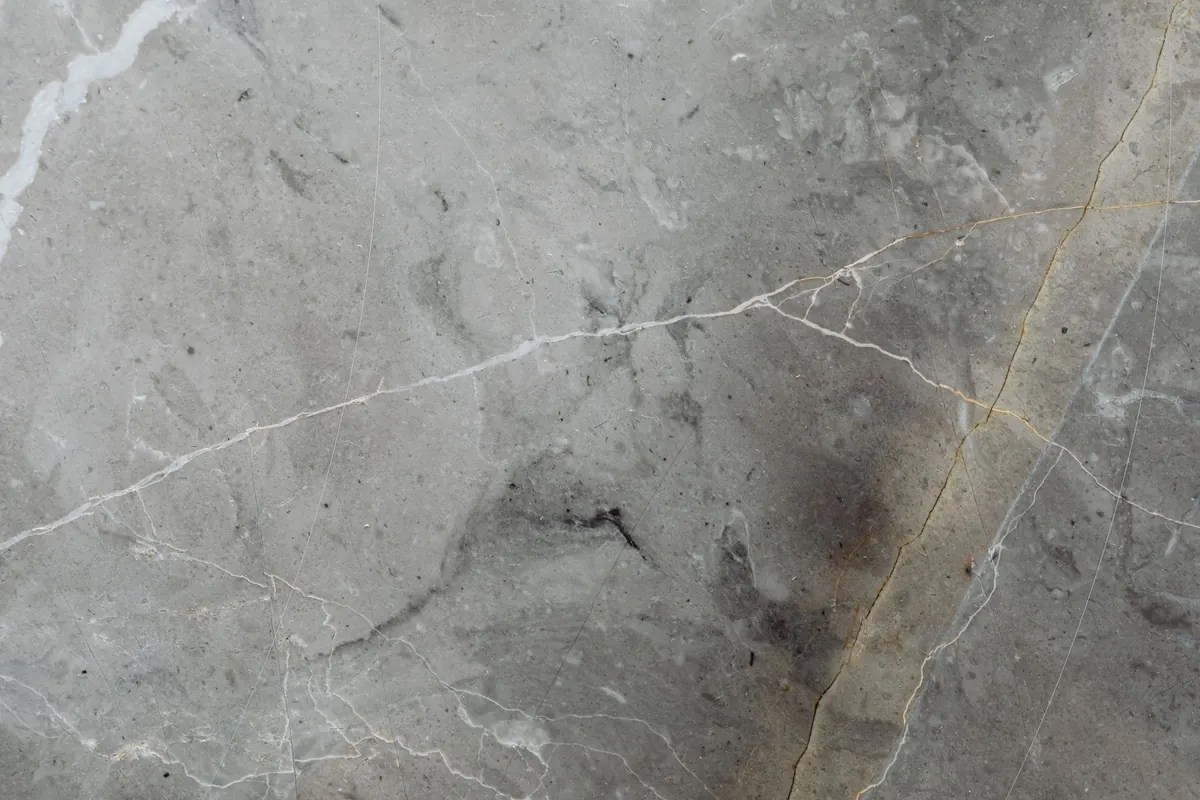
Photo: North_Studio / Pixabay